
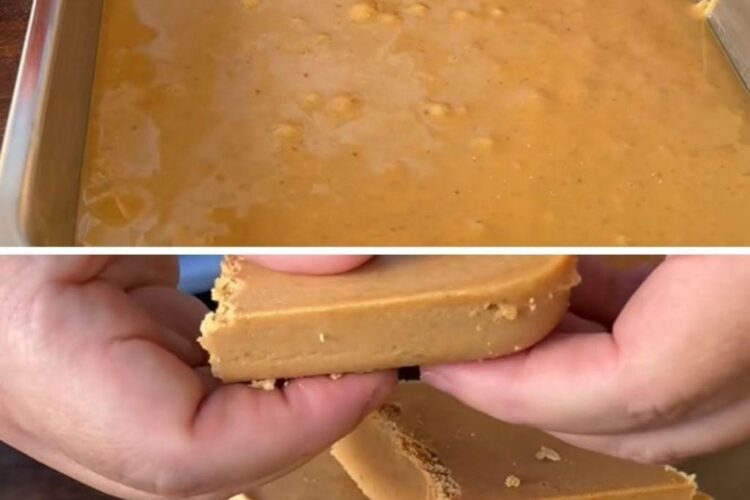
Homemade Dulce de Leche
Dulce de leche is a beloved treat known by many names across Latin America—cajeta in Mexico, manjar in Chile, and arequipe in other regions. Regardless of the name, this velvety, golden cream is a timeless favorite.
Making it at home is a simple process that requires only a few basic ingredients and a good deal of patience. By slowly simmering milk and sugar, you can create a rich, glossy spread that is perfect for filling cakes, stuffing alfajores, or enjoying simply with a spoon.
Ingredients
Traditional Version
- 1 liter whole milk (fresh or pasteurized)
- 300 g white sugar (approximately 1½ cups)
- ½ teaspoon baking soda
- 1 teaspoon vanilla extract (optional)
Optional Add-ins
- 1 tablespoon honey (for a softer, floral aroma)
- 1 tablespoon butter (added at the end for a glossier texture)
Instructions
- Prepare the Pot: Use a heavy-bottomed pot or a stainless steel or copper saucepan. A thick base prevents the mixture from burning during the long cooking process. Avoid aluminum pots as they can affect the color and flavor.
- Mix Ingredients: Pour the milk into the pot and add the sugar and baking soda. Stir with a wooden spoon until the sugar is completely dissolved. If using honey or vanilla, you can add them now, though adding vanilla at the end preserves a more intense aroma.
- Initial Heating: Set the pot over medium-low heat. Stir frequently to prevent the milk from sticking to the bottom. It is normal for a light white foam to form at the beginning.
- Simmer and Reduce: Once the mixture reaches a boil, reduce the heat to the lowest setting. This evaporation process typically takes between 1.5 to 2 hours. Stir every few minutes, ensuring you scrape the edges and the bottom. The color will gradually shift from white to cream, then gold, and finally to a deep amber.
- Monitor the Texture: After about 45 minutes, the liquid will have reduced by nearly half. Increase the frequency of stirring. As the mixture thickens, the bubbles will become smaller and slower.
- The Cold Plate Test: To check if it is ready, place a small spoonful of the dulce de leche on a cold plate. Wait a few seconds and draw a line through the center with your finger. If the furrow does not close immediately, it is finished. Remember that it will thicken further as it cools.
- Final Touch: Remove from heat. If desired, stir in a tablespoon of butter for extra shine and smoothness. Let it cool for a few minutes before transferring it to sterilized glass jars.
Tips for Success
Be Patient: There are no shortcuts for authentic dulce de leche. A slower cook results in a creamier and more aromatic product.
Control the Heat: Maintain a gentle, steady simmer. If the mixture boils too vigorously, it may burn or separate. If it darkens too quickly, lower the heat immediately.
Do Not Cover: Leave the pot uncovered during the simmering process so the steam can escape, allowing the liquid to reduce properly.
Fixing Common Errors: If the mixture remains too liquid, return it to low heat for another 10-15 minutes. If it becomes too hard, stir in a small amount of warm milk to soften it.
Variations
- Mexican Cajeta: Use goat’s milk instead of cow’s milk and add a cinnamon stick and a pinch of clove during cooking.
- Coconut Dulce de Leche: Stir in ½ cup of shredded coconut during the last 15 minutes of cooking.
- Chocolate Version: Stir in 2 tablespoons of pure cocoa or melted chocolate once the cooking is complete.
- Coffee Infused: Add 1 tablespoon of instant coffee dissolved in a teaspoon of hot water.
- Spiced: Add a cinnamon stick, a piece of orange peel, and a clove at the beginning, removing them before the end.
Storage
Store the cooled dulce de leche in airtight glass jars. It will keep in the refrigerator for 2 to 3 weeks. At room temperature, it lasts about 3 days in cool climates. For longer storage, it can be frozen for up to 3 months; thaw slowly in the refrigerator.
If the dulce de leche hardens in the fridge, gently warm it in a microwave or a bain-marie with a teaspoon of milk to restore its creaminess.
